9+ curated guides • Updated November 2025
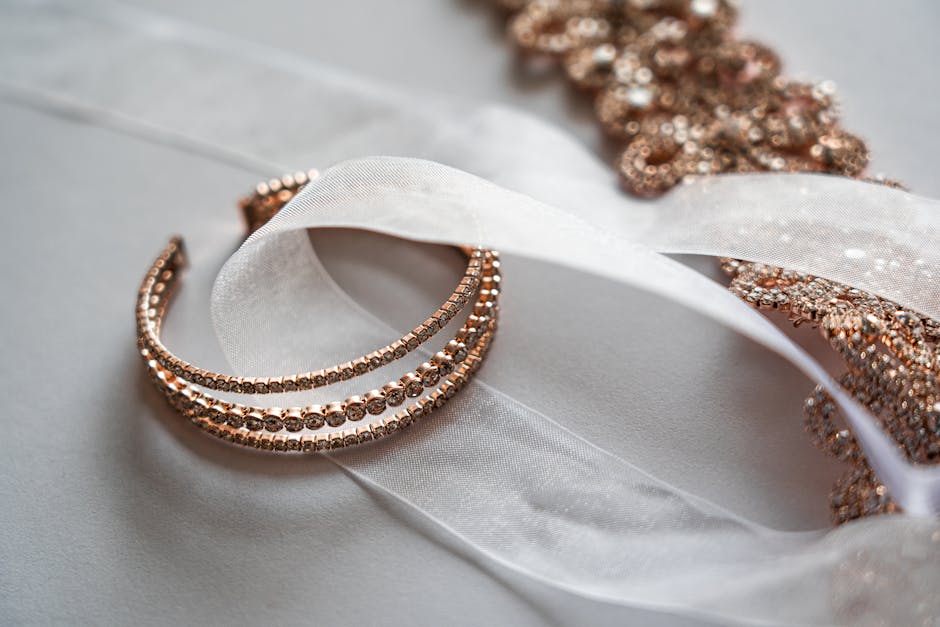
That 50% off email from Kendra Scott is the highlight of your birthday month, right? But while most people use it for a personal splurge, they're missing the bigger picture. This discount isn't just a treat; it's your secret weapon to master gift-giving for the entire year, saving you hundreds in the process. The amateur sees a chance to buy one necklace. The strategist sees an opportunity to secure high-value assets for every major occasion on the calendar. This isn't about impulsive shopping; it's a calculated move to elevate your gift-giving game while dramatically cutting costs. Prepare to shift your mindset from a one-time consumer to a long-term tactical planner.
While most shoppers are chasing fleeting discounts on tools and holiday decor, the smartest investors are playing a different game. We'll show you how to ignore the noise and use the Lowe's Black Friday sale to strategically purchase the key items—from light fixtures to faucets—that deliver a measurable ROI, turning your shopping cart into a wealth-building tool. This isn't about saving 20% on a drill you'll use twice; it's about spending $200 to add $2,000 in perceived value before an appraisal. We're not shopping; we're executing a financial strategy. Below, we'll break down the five specific deals that turn Lowe's into your personal equity-generating partner.
A 20-gram gold necklace is a significant purchase, but are you getting the most out of every single gram? Many buyers focus on the current price, not realizing that certain designs can make your necklace look far more substantial and luxurious, while others quietly diminish its value through hidden costs. This guide exposes the jeweler's secrets to choosing a piece that's both a stunning statement and a smarter asset. As someone who views gold not just as an adornment but as a wearable, appreciable asset, I see the common mistakes investors make. They fixate on purity and weight, which are crucial, but they completely ignore the third pillar of a smart jewelry purchase: design efficiency. We're not just buying a bullion bar to wear around our neck; we're investing in craftsmanship and presence. Let's delve into how to make those 20 grams perform like 40.
For decades, the jewelry industry has sold us a single story: true value lies in precious metals and rarity. We're taught to see jewelry as a monetary asset, but in an age of conscious consumerism and fleeting trends, this narrative is crumbling. The most valuable piece in your collection might not be the most expensive, but the one you can wear every day, forever, without a second thought. This isn't a critique of fine jewelry; it's a recalibration of value. We've been conditioned to equate 'investment' with resale price, ignoring the more critical metrics of durability, versatility, and cost-per-wear. It's time to dismantle this outdated logic and embrace the material that truly delivers on the promise of everyday elegance: stainless steel.
We've all bought the 'miracle' serum a celebrity swears by, hoping to capture a fraction of their red-carpet glow. But what if that $150 cream is less than 1% of the real story? The truth is, flawless celebrity skin isn't bought at a beauty counter; it's an institution built on a budget that could rival a small start-up. My sources, who manage the finances for A-list talent, have let me see the spreadsheets. Forget the sponsored Instagram posts and the 'get ready with me' videos. We're about to dismantle the real architecture of celebrity skin—a meticulously managed, six-figure-plus annual investment in cellular-level wellness that makes topical products little more than a finishing touch.
You've probably looked up a star's height and been surprised by the number, but that number is irrelevant in Hollywood. The real story is how directors and cinematographers meticulously craft an actor's on-screen stature, using a century's worth of visual tricks to make them appear as towering or as tiny as the story demands. Forget the Google search; the truth isn't in a number, but in the subtle art of cinematic manipulation. We're pulling back the curtain on the techniques that build heroes, shrink giants, and maintain the fragile fantasy of the silver screen.
You see the flawless face on the red carpet, a perfect picture of glamour. What you don't see is the frantic ten minutes before, when a stress-induced breakout appeared or an emotional moment smudged the liner. This is where the celebrity makeup artist's real job begins—long after the brushes are down. We aren't just artists; we are first responders for the face, armed with much more than lipstick. Our true value is measured in crises averted and meltdowns managed, ensuring the star's image remains pristine under the harshest lights. This is the part of the job that never makes it to Instagram.
Look back at the handbags that defined 2022—from the giant, carry-everything tote to the ridiculously tiny, glitter-dusted clutch. These opposing trends weren't a coincidence; they were a cultural tug-of-war played out on our shoulders, revealing a society caught between the need for control and a desperate craving for frivolous fun. As a fashion psychologist, I don't see leather and hardware; I see artifacts of our collective emotional state. These accessories were not mere objects for carrying our belongings. They were psychological anchors, externalizing the internal conflict that simmered beneath the surface of our re-emerging world. One was a vessel for our anxieties, the other a passport to our fantasies.
Sure, you know Bruce Springsteen and Jon Bon Jovi are from New Jersey, but have you ever considered why their art feels the way it does? We're moving beyond the trivia to explore the 'Jersey DNA'—the invisible thread of ambition, loyalty, and defiant pride that connects the Garden State's most iconic figures, from the Sopranos' suburbs to Whitney Houston's church choir. New Jersey is more than a punchline or a place you pass through on the way to somewhere else; it's a crucible. It’s a state defined by its proximity to power (New York City, Philadelphia) yet fiercely independent in its identity. This unique position, a blend of blue-collar struggle, sprawling suburbia, and seaside escapism, doesn't just produce famous people. It actively shapes their art, their ethics, and the very texture of their public personas. Forget 'what exit?'; the real question is how the exit shaped the artist.